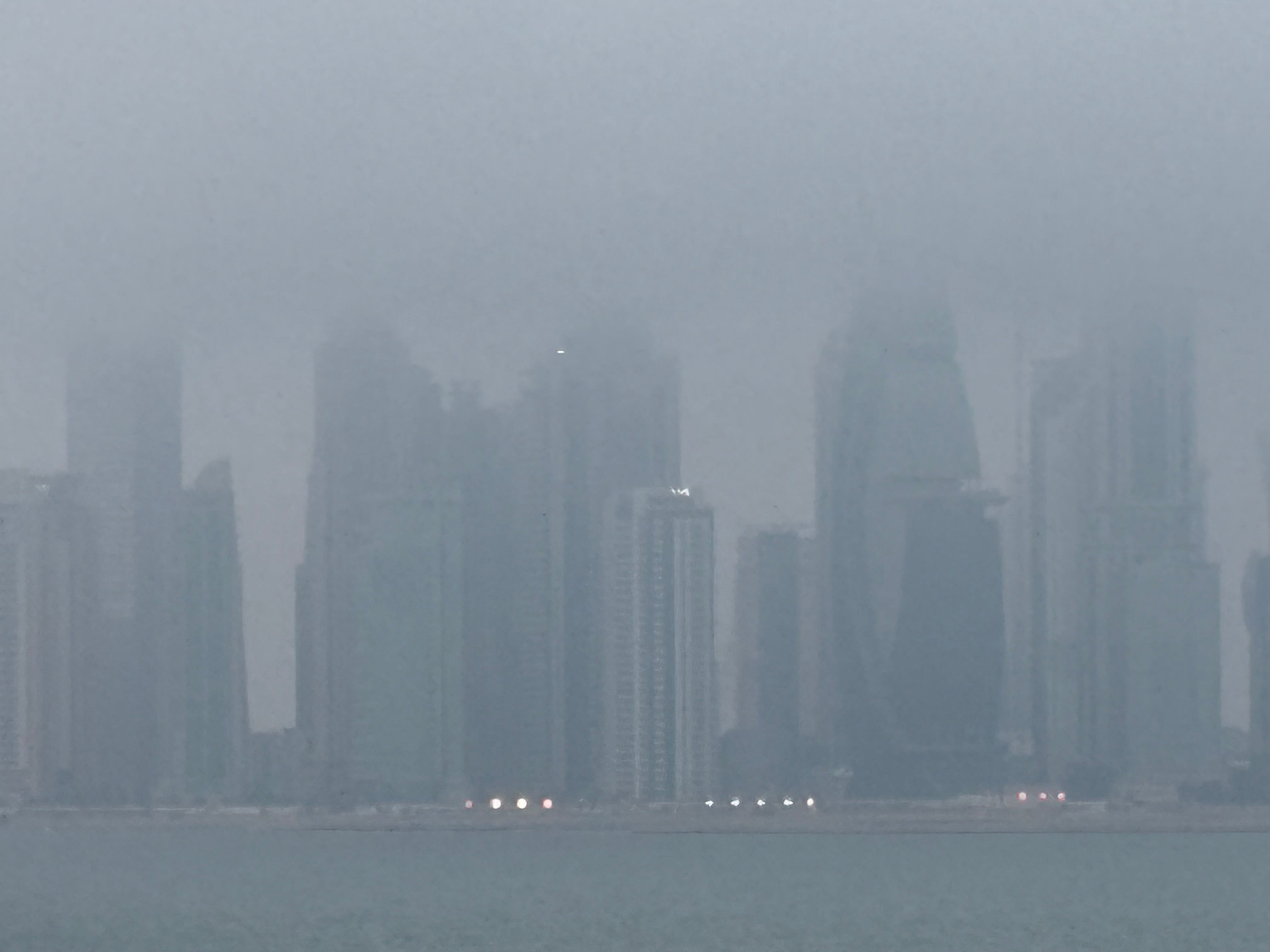
Nobody Knows Anything
On Living with Uncertainty in a Country That's Being Bombed

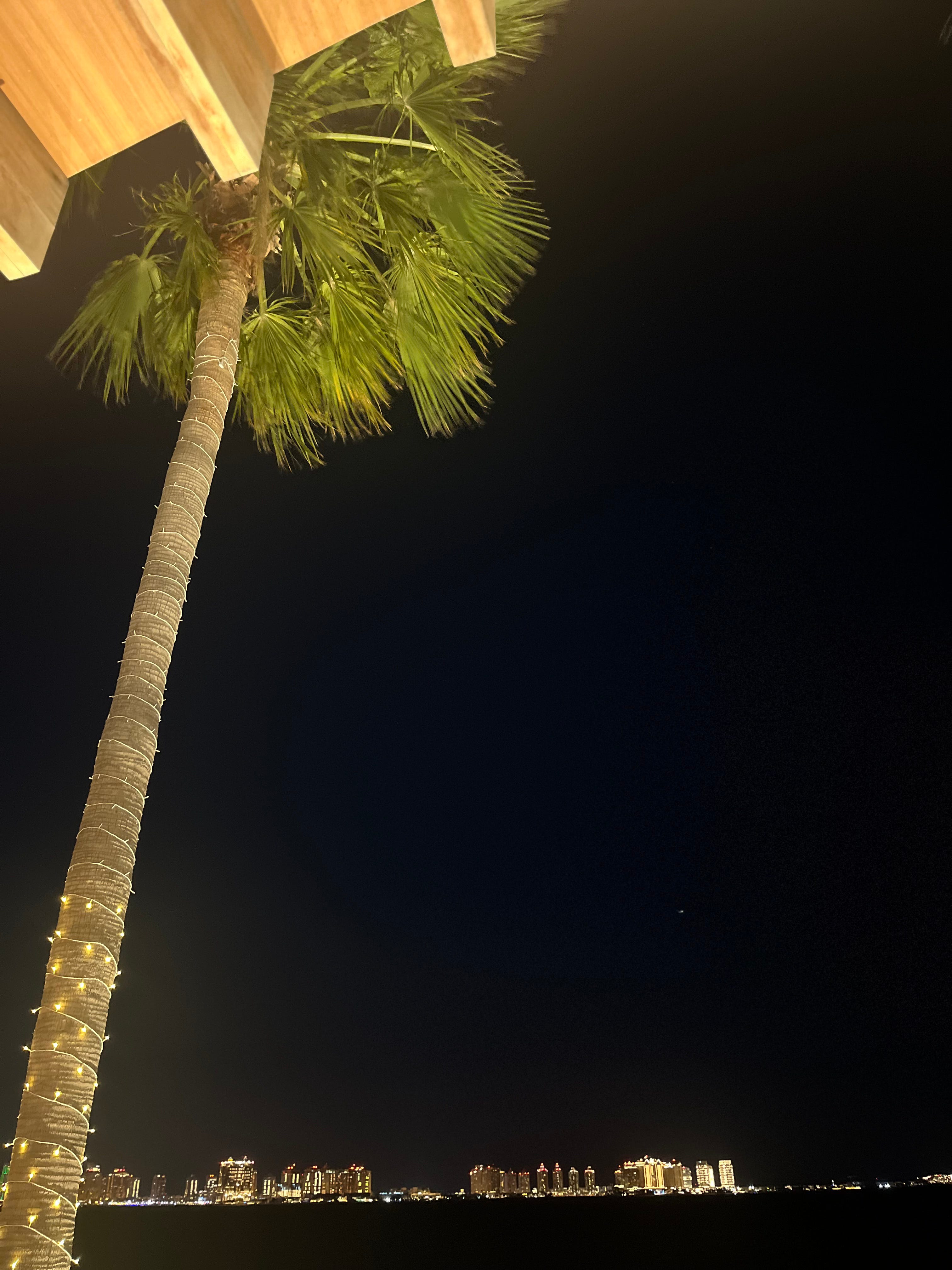
Yesterday, we had a flurry of missile activity after twelve days of relative peace. With the deadline for Iran to open the Strait of Hormuz looming, we went to bed unsure of what we’d wake up to. Both my husband and I were so depleted that we slept through the grating emergency alert that came through our phones at three in the morning. Then we woke up to yet another ceasefire. I guess that’s good news. At least for now.
The hardest part isn’t the danger in all of this. It’s that nobody knows anything. Not journalists, or academics and pundits, not politicians. Some lie outright about what they know, while others are guessing, wish-casting, reporting accurately on information that turns out to be wrong. People we trust in security and in the military have told us, not quite meaning it as comfort, that our own read of the situation is probably as accurate as anything out there. Watch the daily lists of missile and drone attacks in the region, they said. See whether they’re going up or down. Or staying stubbornly the same. That’s what we have. That, and each other.
Even on the quiet days—and there are quiet days, genuinely lovely ones, the weather here right now is almost absurdly beautiful—the stress is just under the skin. Like one of those deep itches that feels like it’s in the bone and can’t be scratched to any real satisfaction, no matter how you try.
That uncertainty pulls people together. Friends whose spouses have already evacuated come for dinner and stay for hours. We’ve offered our place to people who live near potential targets—the Google offices and a few other spots that have been called out by name by the Iranian regime. I’m not always sure who is comforting whom. Maybe that’s the whole point. It feels genuinely good to be together, the particular good of people who understand without having to be told.
There’s also—and I want to be honest about this—a strangeness to not being able to make plans. A prison-like quality. A flatness that isn’t dramatic, just suspended, waiting on something that may or may not arrive and that you cannot do anything useful about. And then, underneath that, something I notice in myself with mild suspicion: a kind of thrill. The way uncertainty sharpens things, reminds you how quickly everything can turn. I catch this feeling and give it a side-eye, not entirely sure what to make of it.
What’s more difficult to express is that I feel homeless. Qatar isn’t my home and won’t ever be. And Virginia—twenty years of it, the roads I knew, the particular smells of every season, the dinners with our children and their friends—isn’t available to me right now. I hold both of those things at once and they don’t resolve, and I’ve mostly stopped waiting for them to. There’s a loneliness in it and also, strangely, a kind of peace. It reminds me of when my youngest daughter was ill. I was surrounded by love—completely surrounded, friends and family doing everything they could—and I still had to go through it alone. The people who love you can sit beside you. They can’t sit inside it with you.
Writing helps. It lets me think out loud in the only way that actually works for me, my own weird meditation practice. I’ve even caught myself wondering whether I’ll miss the excitement once this is over, God willing. Two seconds of that thought was enough. No. I prefer the illusion of control, even knowing that’s mostly what it is.
And then there’s the hour between four and five in the morning. I wake up, take a sip of water, promise myself I’m going right back to sleep—and that promise, or maybe just the making of it, seems to be the signal. The worrying blooms. I think about our kids and the stress my husband is under. Whether we’ll end up evacuating and what that will mean. What if key infrastructure gets hit, or the airspace closes again. The Saudis could shut down their border, making it impossible to leave from anywhere. What if, what if, what if. Jack calls it my “awfulizing.” I comb through every worst-case scenario, one by one, methodical as someone picking lice—until I exhaust myself back to sleep.
Then daylight comes and somehow things seem better again. Not so bad at all, in fact. I make coffee. I go to the gym. And we do it again.